Twenty-Five Indian School Leaders Explore Democratic Education
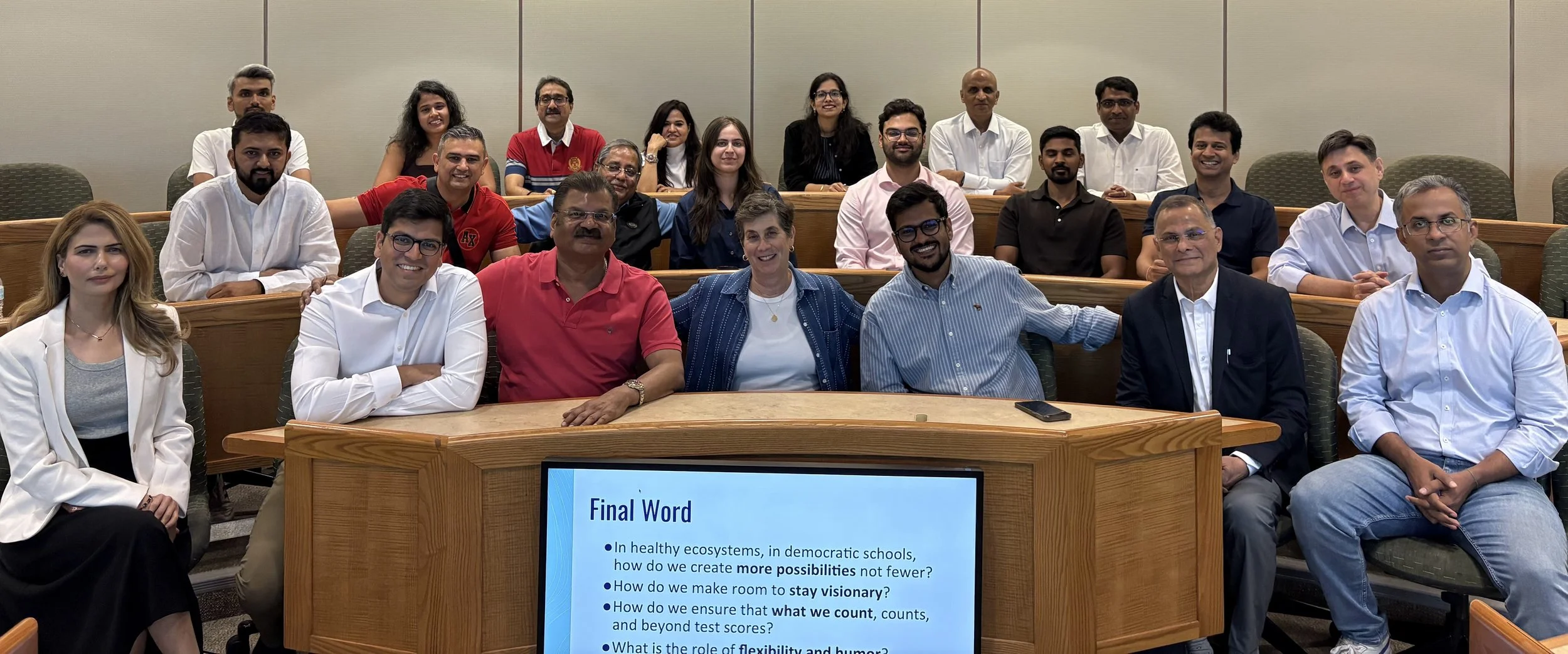
Twenty-five school leaders representing nearly 300 schools across India recently gathered in Cambridge for a convening hosted by the Center for Artistry and Scholarship (CAS) and the Association for Reinventing School Education (ARISE) to explore the Five Pillars of Democratic Education. The session invited participants to examine democratic education not as an abstract philosophy but through the everyday realities of leading networks of schools.
The conversations quickly moved beyond theory. Rather than asking whether democratic education matters, participants wrestled with what it demands in practice. What does teacher autonomy look like in schools where consistency and accountability are equally important? How do schools encourage the open flow of ideas while navigating deeply held community beliefs? How can parents become authentic partners in education when traditional measures continue to shape perceptions of academic quality? And when does community voice strengthen decision-making, and when can it make leadership more complex?
One of the richest conversations centered on teacher autonomy. A participant posed a provocative question: "What if, instead of giving teachers complete autonomy, we create the illusion of autonomy?" The remark immediately sparked debate. Was the objective complete autonomy, or creating an environment where teachers feel trusted, valued, and empowered to exercise their professional judgment?
The discussion challenged participants to think beyond autonomy as a structural policy and instead consider the culture that makes autonomy meaningful, one built on trust, shared expectations, and professional respect. Another leader built on this idea, suggesting that strong structures and shared expectations initially provide the foundation from which teachers can later exercise greater autonomy with confidence.
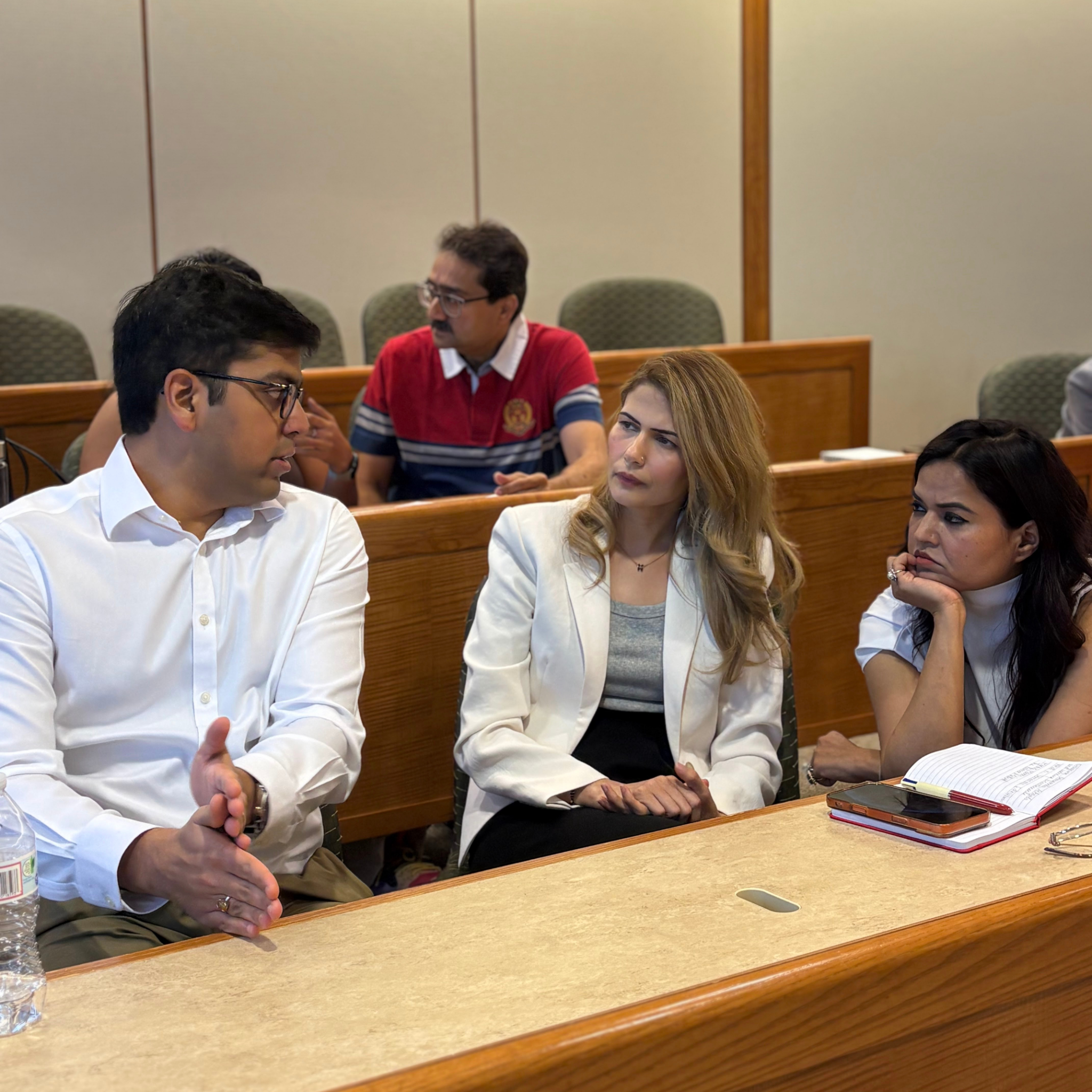
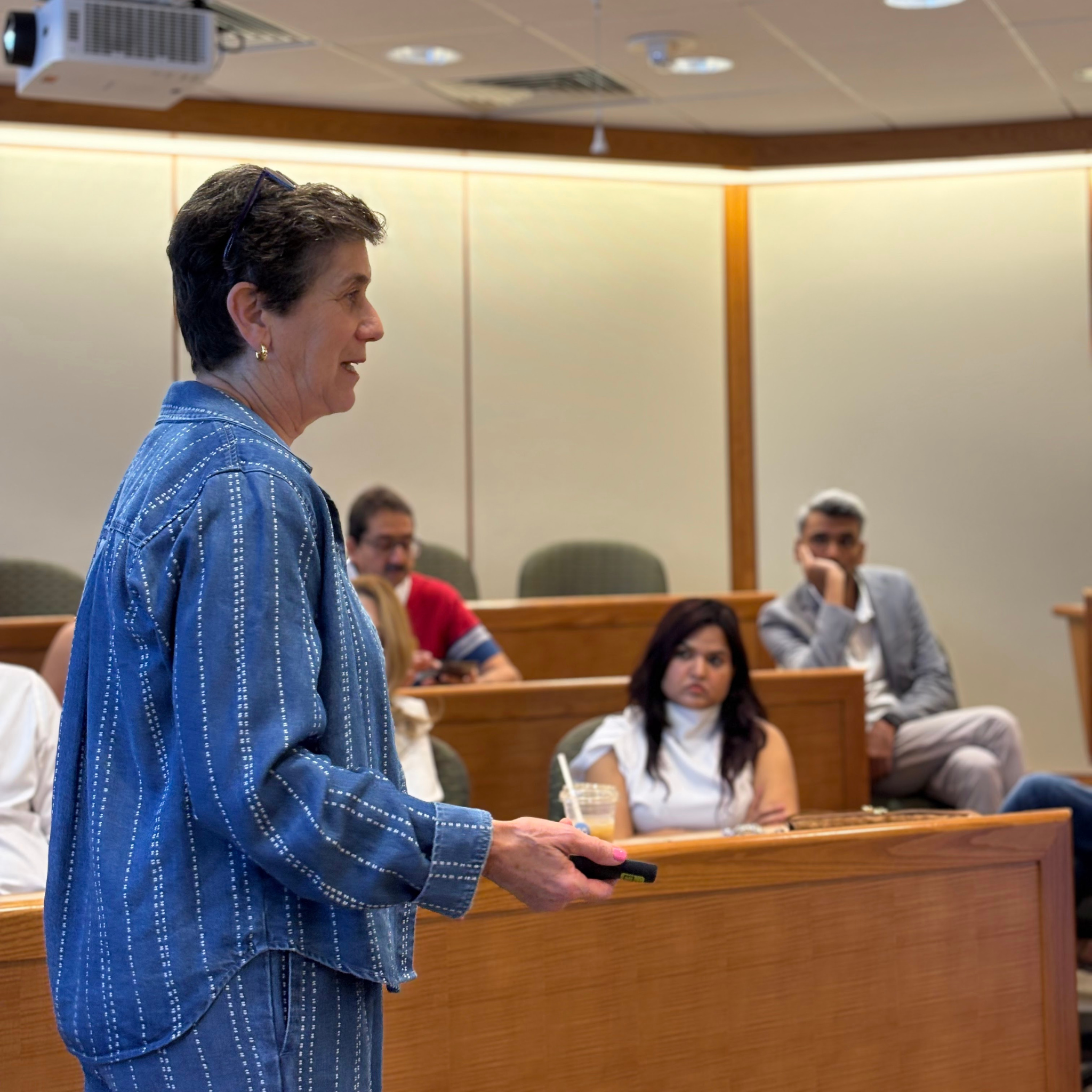
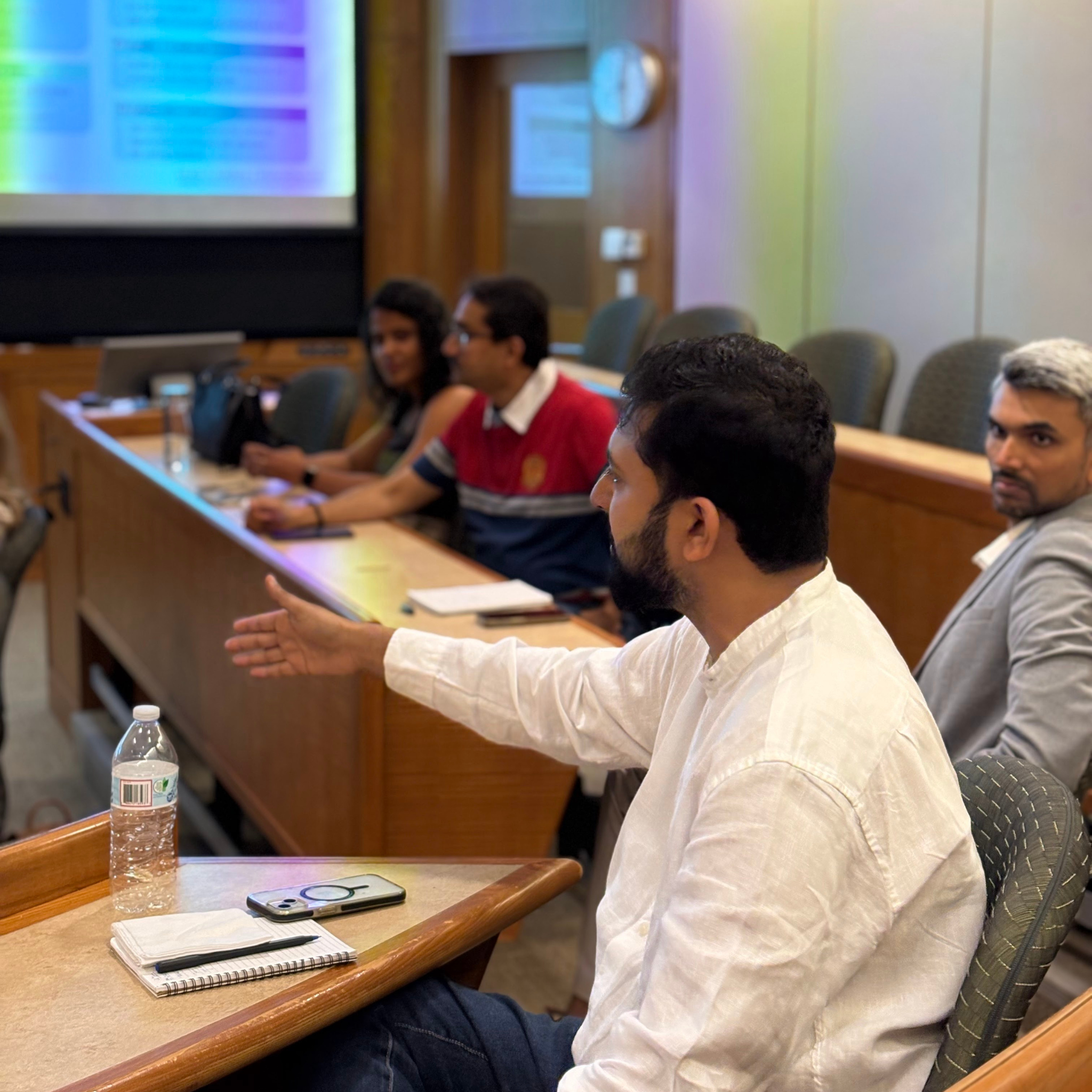
The conversation also expanded beyond individual schools to the broader education systems in which they operate. Participants reflected on whether democratic schools evolve differently within societies with newer democratic traditions than they do in countries where democratic institutions have had longer to mature. One perspective suggested that schools may first need strong structures and shared norms before greater autonomy can flourish. While there was no consensus, the discussion reinforced an important idea: democratic education cannot simply be transplanted from one context to another; it must be interpreted through the realities of each community and education system.
The discussion also highlighted the complexity of engaging families in democratic schools. Participants reflected on the importance of collaboration while acknowledging that family expectations do not always align with evolving educational practices. One example resonated across the room: despite changing approaches to teaching and learning, many parents continue to view handwriting in the early years as a key indicator of academic quality. Rather than dismissing these perspectives, leaders explored how schools can respectfully engage families while remaining committed to broader educational goals.
The most powerful aspect of the convening was that it modeled the very principles it sought to explore. Leaders openly challenged ideas, shared stories from their own schools, and respectfully disagreed without seeking a single "right" answer. The conversations demonstrated that the open flow of ideas is not simply a pillar of democratic education; it is a practice.
The convening revealed that democratic education is not a checklist of ideals. It is the ongoing work of navigating competing priorities thoughtfully and intentionally. More importantly, it reminded us that democratic education is not built when everyone agrees. It is built when people can disagree respectfully while remaining committed to a shared purpose.